
tglernie99624
About tglernie99624
Exploring the Efficacy of Assorted Treatments For Erectile Dysfunction: An Observational Study
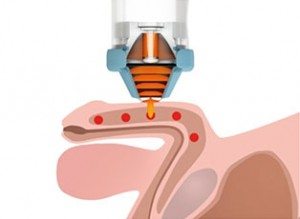
Erectile dysfunction (ED) is a prevalent situation affecting hundreds of thousands of males worldwide, significantly impacting their quality of life and intimate relationships. Regardless of its commonality, the treatment panorama for ED is various, encompassing pharmacological, mechanical, and psychological interventions. This observational study aims to explore the varied treatment modalities obtainable for ED, their efficacy, and the factors influencing affected person outcomes.
Understanding Erectile Dysfunction
Erectile dysfunction is outlined as the shortcoming to achieve or maintain an erection adequate for satisfactory sexual performance. The causes of ED may be multifactorial, including psychological points corresponding to anxiety and depression, bodily conditions like diabetes and cardiovascular illness, and way of life elements together with smoking and obesity. Given this complexity, treatment approaches have to be tailored to the individual, making an allowance for the underlying causes and patient preferences.
Pharmacological Treatments
Phosphodiesterase kind 5 (PDE5) inhibitors, such as sildenafil (Viagra), tadalafil (Cialis), and vardenafil (Levitra), are the mostly prescribed medications for ED. These oral medications work by enhancing blood movement to the penis, facilitating an erection in response to sexual stimulation. Observational information indicate that a major proportion of males expertise improved erectile perform with these treatments, with satisfaction rates usually exceeding 70%.
In a study analyzing affected person responses to PDE5 inhibitors, it was discovered that factors reminiscent of age, underlying health circumstances, and the severity of ED signs considerably influenced treatment outcomes. Youthful patients and people with fewer comorbidities reported increased satisfaction ranges, suggesting that early intervention could yield higher results.
Vacuum Erection Units
Vacuum erection devices (VEDs) are one other non-invasive treatment choice for ED. These units create a vacuum across the penis, drawing blood into the erectile tissue and inducing an erection. Whereas VEDs may be much less widespread than pharmacological treatments, they’re notably beneficial for males who cannot take PDE5 inhibitors on account of contraindications or unwanted effects.
Observational research show that affected person adherence to VED usage will be difficult, often because of the perceived inconvenience and the need for guide operation. Nonetheless, for men who stay committed to utilizing VEDs, the success price will be comparable to that of oral medications. Additionally, VEDs have the benefit of being safe and efficient for men with cardiovascular concerns, making them a worthwhile option in the treatment arsenal.
Intracavernosal Injections
Intracavernosal injections (ICIs) involve the direct administration of medication, equivalent to alprostadil, into the penis to induce an erection. This methodology is especially effective for men who do not respond to oral medications. Observational studies point out that ICIs can obtain erection rates exceeding 90%, with many patients reporting excessive satisfaction ranges.
Nevertheless, the invasiveness of this treatment and the need for self-injection can deter some patients. Training and help from healthcare suppliers are crucial in helping patients overcome these obstacles. Particularly, research have proven that proper training and reassurance can significantly enhance patient confidence in self-injection techniques, leading to higher adherence and outcomes.
Penile Implants
For men with severe ED who haven’t responded to different treatments, penile implants signify a surgical option. There are two essential types of implants: inflatable and malleable. Inflatable implants allow for a extra natural erection, as they are often inflated and deflated as needed, whereas malleable implants provide a hard and fast position.
Observational research on penile implants reveals high satisfaction charges among recipients, with many reporting improved sexual operate and high quality of life. Nonetheless, the decision to pursue surgical intervention is usually influenced by components such as age, relationship status, and personal preferences. Counseling and thorough discussions in regards to the risks and advantages of surgery are essential in guiding patients toward the most appropriate treatment possibility.
Psychological Interventions
Given the psychological components usually associated with ED, psychological interventions equivalent to cognitive-behavioral therapy (CBT) and couples therapy can play a major position in treatment. Observational studies have demonstrated that addressing psychological components can lead to improved erectile function and relationship satisfaction.
For a lot of men, the experience of ED can result in anxiety and depression, creating a cycle that exacerbates the condition. By integrating psychological help into the treatment plan, healthcare providers may also help patients develop coping strategies and improve their total psychological well being, which in flip may enhance their sexual operate.
Lifestyle Modifications
Along with medical treatments, lifestyle modifications are crucial in managing ED. Observational research point out that factors equivalent to weight loss plan, train, and smoking cessation play a big role in erectile health. To check out more on erectile dysfunction treatment reviews look at our webpage. Men who adopt healthier lifestyles typically experience enhancements in erectile function, underscoring the significance of a holistic strategy to treatment.
Encouraging patients to interact in regular bodily exercise, maintain a wholesome weight, and keep away from smoking can lead to better outcomes. Furthermore, training on the affect of alcohol consumption and stress management techniques can empower patients to take control of their well being and enhance their sexual operate.
Conclusion
Erectile dysfunction is a multifaceted condition that requires a tailor-made strategy to treatment. This observational study highlights the varied treatment modalities out there, including pharmacological, mechanical, psychological, and lifestyle interventions. The efficacy of those treatments can range primarily based on individual factors, emphasizing the importance of personalised care.
Healthcare suppliers play a critical role in guiding patients via the treatment process, addressing their issues, and offering support. By fostering open communication and encouraging a complete approach to ED management, providers may also help enhance affected person outcomes and improve the quality of life for males experiencing this frequent situation. Future research ought to continue to explore the long-term efficacy of those treatments and the influence of rising therapies in the evolving landscape of erectile dysfunction administration.
No listing found.